
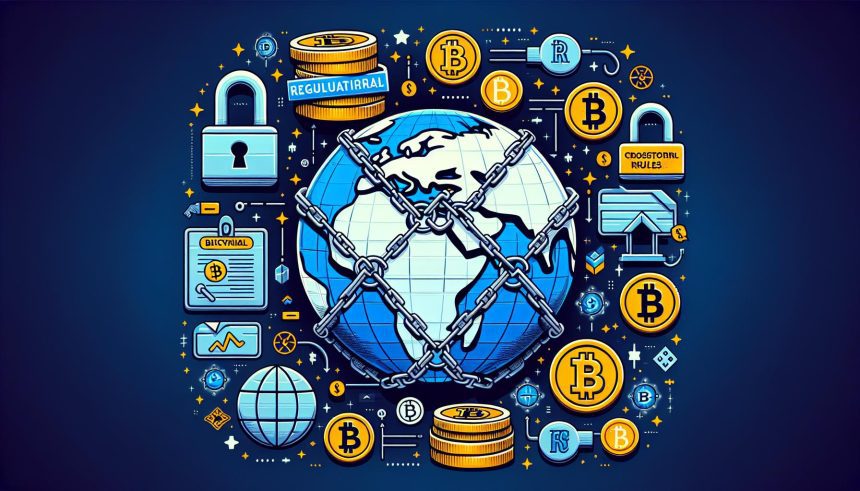
Regulatory Risks in Crypto A Complete Guide for Investors and Builders
Understanding Regulatory Risks in the Crypto Ecosystem
Regulatory risks describe the uncertainty that laws and rules introduce to crypto markets. For a sector built on decentralization and rapid innovation, shifts in policy can alter exchange operations, token classifications, compliance expectations, and even the way developers design decentralized applications. At crypto621, we track these dynamics because they shape liquidity, access, and long term value for both investors and builders. Knowing how regulations evolve and how they are enforced is essential to safeguarding capital, keeping projects viable, and protecting users.
Crypto activity intersects with financial oversight, consumer protection, data privacy, taxation, and market integrity. Each domain can impose different requirements that impact custody, listings, staking, advertising, and cross border transactions. When rules are unclear or change quickly, the result can be delistings, loss of banking partners, volatility, or pauses in product launches. Conversely, clear and balanced frameworks can boost adoption by providing a trusted foundation for institutions and retail users alike.
Key Areas Where Regulatory Risks Arise
Regulatory risk does not come from one source. It is a combination of overlapping considerations that can vary by jurisdiction. The most common areas are outlined below.
- Asset classification. Whether a token is treated as a security, a commodity, or a new class altogether affects disclosure duties, offering rules, and trading venues. Reclassification risk can reshape an entire business model.
- Market conduct and disclosures. Regulators target market manipulation, insider abuse, wash trading, and misleading claims. Projects and exchanges need transparent communications, fair launch processes, and robust surveillance.
- Customer identity and financial crime controls. Know your customer and anti money laundering rules, as well as sanctions compliance, influence onboarding, transaction monitoring, and reporting obligations for service providers.
- Custody and safeguarding. Requirements for segregation of client assets, audits, proof of reserves, and operational resilience ensure that users can trust platforms with their funds.
- Taxation. Clear guidance on gains, losses, staking rewards, and airdrops helps users remain compliant. Ambiguity can lead to retroactive liabilities.
- Advertising and promotions. Many regions restrict how crypto products are marketed to protect consumers. Violations can trigger fines and reputational damage.
- Data and privacy. Rules that govern personal data, wallet analytics, and cross border data transfers affect both compliance and user experience.
Global Differences and Why They Matter
Crypto is global by default, yet compliance is local. A project that is fully compliant in one country might face enforcement in another. Some regions offer licensing regimes for exchanges and custodians. Others define tokens through existing securities or commodities laws. Jurisdictions with clear pathways tend to attract capital and talent, while uncertain environments can push teams to relocate or limit their offerings.
For investors, this means venue selection matters. Liquidity and pricing can differ across exchanges depending on local permissions and product availability. For builders, the choice of headquarters, legal entity, and target markets should reflect regulatory readiness. In both cases, a proactive approach that anticipates regional differences can reduce surprises and improve long term outcomes.
Practical Steps to Reduce Regulatory Risks
Mitigating regulatory risk is about anticipating expectations and baking compliance into operations. The following steps provide a practical foundation.
- Map your regulatory footprint. Identify where users are located, where services are provided, and which licenses or registrations apply. Maintain a living matrix that is reviewed quarterly.
- Adopt clear token policies. Document token utility, governance, and distribution. Avoid promises that could be interpreted as investment guarantees. Ensure transparency around treasury management.
- Strengthen custody and controls. Use segregated accounts, regular attestations, access controls, and incident response plans. Publish clear user terms on account ownership and recovery.
- Build identity and monitoring thoughtfully. Implement know your customer processes proportionate to risks, with privacy enhancing methods where possible. Monitor for suspicious patterns and maintain audit trails.
- Document disclosures. Create concise, plain language risk statements for users, including how protocols work, potential loss scenarios, and fee structures.
- Engage early with counsel. Local legal guidance can identify blind spots, especially around marketing, promotions, and token distributions.
- Plan for change. Maintain contingency strategies for delistings, service pauses, or feature modifications if rules shift. Communicate plans to users in advance when feasible.
Signals to Monitor Over the Next Year
Staying ahead of regulatory risks requires watching signals that often precede formal changes. Investors and builders should track the following areas closely.
- New guidance from financial and securities authorities that clarifies how tokens are classified and traded.
- Court decisions that set precedent for token offerings, staking services, or exchange liability.
- Licensing regimes that open doors for compliant products such as spot exchange traded funds or custodial services.
- Tax authority updates on staking rewards, decentralized finance income, and reporting thresholds.
- International standard setters that influence national policies, including recommendations on stable assets and wallet rules.
- Banking partnerships and payment rails, since access to fiat on ramps and off ramps remains a critical adoption driver.
How crypto621 Helps You Navigate Regulatory Risks
At crypto621, our mission is to translate complex policy movements into actionable insights. We monitor rulemaking, enforcement actions, and court outcomes across major jurisdictions. Our coverage highlights how these developments affect liquidity, product access, and asset valuations. Whether you are an investor looking to preserve capital or a builder preparing a launch, our guidance focuses on practical steps that align innovation with compliance.
We emphasize education on user risk, transparent token economics, and governance practices that withstand regulatory scrutiny. By combining market analysis with policy updates, crypto621 equips readers to make informed decisions in real time, reducing the chance that an unexpected rule change will undermine a strategy.
Final Thoughts
Regulatory risks are not merely hurdles. They are a framework that, when navigated properly, can increase trust, unlock institutional participation, and sustain long term growth. The most successful teams and investors treat compliance as a core competency, not an afterthought. They plan for multiple jurisdictions, maintain rigorous disclosures, and embrace controls that protect users.
As the crypto landscape matures, clarity will expand, but so will expectations. With the right preparation and ongoing vigilance, you can turn regulatory risks into a competitive advantage. Keep learning with crypto621, and stay ahead of the curve as rules evolve and opportunities grow.