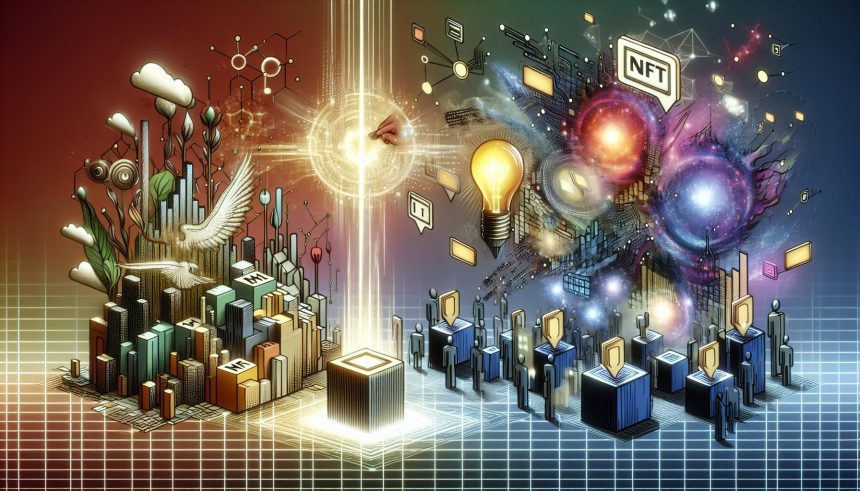
NFT Utility The Real Value Behind Digital Ownership
What NFT Utility Means
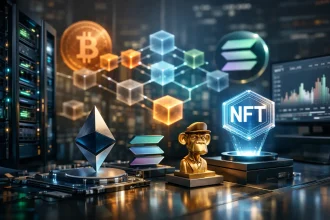
NFT Utility describes the tangible benefits that a non fungible token unlocks beyond simple ownership of a digital file. Instead of serving only as a collectible with speculative value, an NFT can grant access, deliver rewards, enable experiences, or perform functions in apps and games. In other words, NFT Utility transforms a static asset into a living pass that does something for its holder. On crypto621, we center strategy around practical outcomes, because long term demand follows real usefulness.
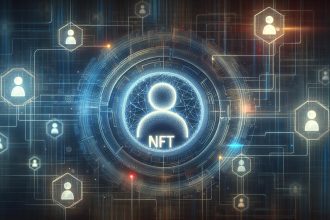
At its core, NFT Utility connects verifiable ownership with software features. Smart contracts allow projects to check whether a wallet owns a specific token, then activate benefits such as entry to a private community, a discount on merchandise, or participation in governance. The result is a reliable bridge between identity, entitlement, and engagement that works across many platforms.
Why NFT Utility Matters in the crypto621 Ecosystem
Utility changes the narrative from buy low sell high to own and use. This shift matters for creators, brands, developers, and communities for several reasons. First, useful NFTs encourage repeat engagement rather than one time hype. Second, utility builds trust because holders can verify claims on chain. Third, utility creates clearer value propositions for marketing and partnerships, which raises conversion and retention. Finally, utility helps align incentives. Holders benefit from using and supporting the project, and projects benefit when active holders promote and contribute.
For crypto621 readers, NFT Utility is a cornerstone of sustainable growth. Whether you manage a collection, a game, or a membership program, adding practical features increases lifetime value and reduces reliance on market swings. Over time, this approach compounds brand equity and community loyalty.
Practical Use Cases That Prove NFT Utility
- Membership and access passes. Holders gain entry to private forums, research libraries, event meetups, or educational courses. Token gated content is easy to verify and hard to counterfeit.
- Gaming items with real ownership. Skins, land, weapons, and companions can move between wallets and sometimes between games, giving players secondary market choice and longevity.
- Loyalty and rewards. Brands issue NFTs that track tiers, unlock discounts, or enable early product reservations. Points and badges can evolve into higher tier benefits over time.
- Ticketing and experiences. NFTs function as tickets that reduce fraud, unlock upgrades at the door, or store memories such as photos and clips from the event.
- Creator communities. Musicians, artists, and writers use NFTs to share exclusive drops, backstage streams, and voting on creative directions. Revenue sharing can be automated where rules allow.
- Token gated commerce. Online stores and marketplaces provide special pricing, limited edition items, or bundle deals to wallets that hold a qualifying NFT.
- Identity and reputation. Achievement NFTs prove participation in hackathons, completions of courses, or contributions to open source projects. These can power verifiable profiles.
- Real world asset interfaces. NFTs can represent claims on physical items, certificates, or membership identities, with redemption and custody managed by trusted partners.
How Projects Design Strong NFT Utility
Great utility starts with a clear promise to a defined audience. Map the journey from mint to daily or weekly usage and ensure each step offers a reason to return. Below are design principles we champion at crypto621.
- Utility mapping. List core benefits and match them to measurable actions such as content consumption, game sessions, or purchases.
- On chain verification. Use wallet checks to grant access and minimize manual approvals. This reduces friction and support overhead.
- Interoperability. Build with open standards so your NFT works in more wallets, marketplaces, and apps. Wider reach creates compounding value.
- Progressive unlocks. Design tiers that evolve as holders participate. Examples include seasonal drops, skill based achievements, and milestone perks.
- Balanced scarcity. Ensure the supply of benefits can scale with demand. For example, virtual events can handle more holders than small venue meetups, so plan capacity early.
- Compliance awareness. Align rewards and revenue models with local rules. Keep communications transparent and avoid promises you cannot deliver.
Measuring the Impact of NFT Utility
What gets measured improves. Instead of focusing only on floor prices, track engagement metrics that correlate with long term health. Useful benchmarks include activation rate of token gated features, repeat usage of benefits, attendance at events, redemption rates for rewards, and participation in governance or community tasks. You can also measure the ratio of secondary sales driven by utility events versus speculative trades to understand real demand.
On the financial side, calculate revenue influenced by NFT gated channels such as commerce conversions, subscription renewals, and upsells unlocked by holding. Pair that with satisfaction surveys to capture qualitative feedback on which benefits matter most. This loop will help you prune low value features and double down on what delights holders.
Common Mistakes to Avoid
- Vague promises. If buyers cannot explain the benefit in one sentence, it is too fuzzy. Clarify eligibility, timing, and delivery.
- One time perks. Single use rewards create a spike then fade. Design ongoing reasons to return.
- Complex redemption flows. If it takes many steps or multiple apps, participation drops. Favor simple wallet checks and clear instructions.
- Ignoring capacity. Offering benefits you cannot fulfill erodes trust. Match benefits to realistic operations.
- Utility detached from brand. Perks should reinforce your mission and story, not distract from them.
Future Trends in NFT Utility
- Cross chain access. Wallet proofs that work across multiple networks will remove friction and broaden reach.
- AI enhanced personalization. Dynamic NFTs that adapt rewards based on user behavior will create bespoke experiences.
- Real world integrations. More ticketing, retail, travel, and education providers will treat wallets as membership keys.
- Composability with identity. Reputation layers such as achievement badges and verified credentials will power trust in communities and marketplaces.
- Programmable commerce. Automated discounts, bundles, and subscriptions will activate the moment a wallet qualifies.
Getting Started with NFT Utility on crypto621
Begin by defining one clear outcome for your audience, such as exclusive learning, community belonging, or game progression. Choose an NFT standard that fits your needs and map benefits that can be verified with a simple wallet check. Launch with a small but meaningful set of utilities, collect feedback, and iterate in public so holders see steady progress.
Promote the benefits clearly in your mint page and updates. Replace hype with specifics. Tell people what they get today, what they will unlock next, and how to participate. Track activation and satisfaction, and keep rewards fresh with seasonal drops or rotating content. Above all, let NFT Utility be the engine that powers real value for your community. At crypto621, we believe this practical approach will define the next wave of growth for digital ownership.