
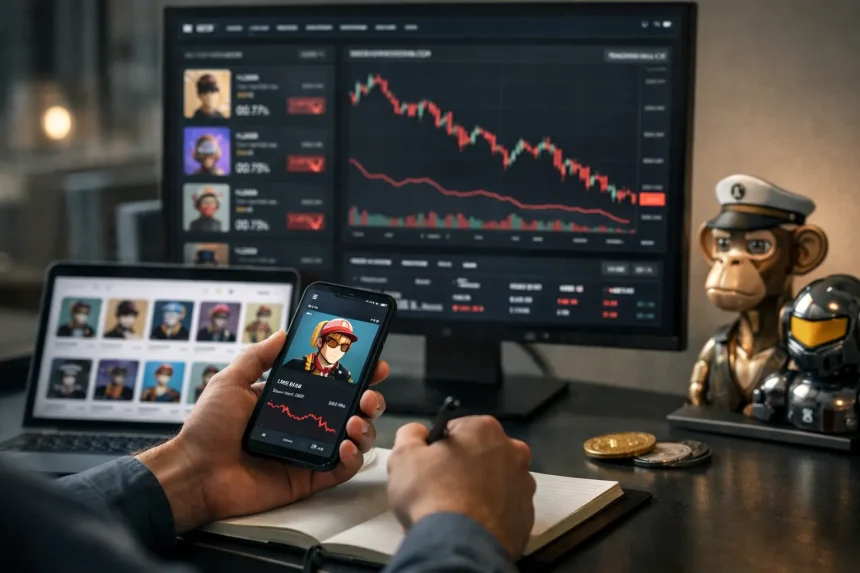
NFT Price Movement Explained for Crypto621 Readers
NFT price movement is one of the most discussed topics in digital assets because it can be fast, emotional, and heavily influenced by community behavior. On crypto621, understanding how and why NFT prices change helps you avoid hype driven decisions and focus on signals that matter. Unlike many fungible cryptocurrencies where market depth and standardized liquidity shape the chart, NFTs trade as unique items with uneven demand, varying rarity, and inconsistent supply. These mechanics create price movement patterns that feel different from typical coin markets.
In practical terms, NFT price movement refers to how an NFT collection or an individual token changes in value over time. Some traders track floor price, some focus on rare trait sales, and others analyze volume shifts. Each method can tell a different story. The key is to treat NFTs like a mix of art market dynamics and crypto market behavior, where narratives and community activity can matter as much as on chain data.
Core Drivers Behind NFT Price Movement
NFT price movement usually results from a combination of supply, demand, and attention. Supply is fixed at the collection level for many projects, yet effective supply can change based on how many holders list for sale. Demand can surge when a major buyer enters, when a brand announces a partnership, or when new utility is revealed. Attention is the multiplier that spreads the message across social channels and marketplaces.
When these three forces align, prices can rise quickly. When attention fades or confidence drops, holders may list aggressively, pushing the floor down. Because each NFT is unique, a single high profile sale can also change sentiment and make buyers believe the broader collection is worth more, even if only a few tokens are truly rare.
Floor Price, Volume, and Liquidity Signals
Many beginners assume floor price is the only metric that matters. Floor price is a helpful baseline because it reflects the cheapest available listing, but it is easy to manipulate or misread. A small number of listings can move the floor, and temporarily low liquidity can create sharp jumps. For crypto621 readers, it is better to combine floor price with volume and the number of unique buyers and sellers.
Volume shows how much capital is actually changing hands. Rising volume alongside a rising floor often indicates real demand. Rising floor with falling volume can signal thin liquidity where a few listings were removed but buyers have not increased. Another important factor is sales distribution. If one or two rare items account for most of the volume, the floor may not be supported.
Liquidity in NFTs is not the same as liquidity in fungible coins. Selling quickly can require a discount, especially during risk off periods. This is why NFT price movement can be exaggerated on the way down. When multiple holders try to exit at once, undercutting becomes common and prices slide.
Rarity, Traits, and the Premium Effect
Rarity is a major force in NFT price movement. Collections often have traits with different probabilities, and rare combinations can command large premiums. This creates a two tier market where the floor may move modestly while top tier items swing dramatically. Buyers chasing status, aesthetics, or perceived investment value often bid aggressively for rare pieces even when the broader market is quiet.
However, rarity alone does not guarantee sustained value. The market must agree that the traits matter. If influencers and community members highlight certain traits, the premium can expand. If attention shifts to other collections, rare items can become harder to sell, and the premium can compress.
Utility, Roadmaps, and Real World Catalysts
NFT price movement often reacts to roadmap announcements, product releases, and utility upgrades. Examples include token gated access, in game functionality, staking benefits, event entry, or revenue sharing mechanisms. When utility is clear and delivered on time, it can strengthen long term demand. When utility is vague or repeatedly delayed, confidence can weaken.
Real world catalysts also matter. Collaborations with recognizable brands, artist partnerships, and marketplace features can all influence pricing. Traders frequently buy the expectation of news and sell after the event happens. This pattern can produce rapid spikes followed by pullbacks, even when the announcement is positive.
Market Cycles, Ethereum Fees, and Macro Influence
NFT price movement is connected to wider crypto market sentiment. When major coins are rising and risk appetite is strong, more capital flows into NFTs. When macro uncertainty increases, traders may prefer liquid assets and reduce exposure to collectibles. This risk rotation can pull NFT prices down quickly.
Network fees are another important factor, especially for collections trading on Ethereum. High fees can reduce smaller trades, lowering activity and affecting price discovery. When fees drop, more participants can bid, which can tighten spreads and support healthier trading. Fees can also shift volume toward other chains and marketplaces, influencing cross chain trends.
Common Patterns Traders Watch
Even though NFTs do not chart like typical assets, certain patterns appear frequently. Traders watch for sudden listing reductions, which can raise the floor if demand stays constant. They also watch for rapid undercutting, which can be an early sign of a downtrend. Another pattern is a volume burst after a long quiet period, sometimes tied to a new narrative or influencer attention.
To follow NFT price movement more effectively, many traders track:
- Floor price changes over several time frames
- Daily volume and the number of sales
- Unique buyers compared to unique sellers
- Listing count and how fast it changes
- Top sales share of total volume
- Community activity and verified announcements
Risk Management for NFT Price Movement
NFT markets can move fast and can be unforgiving when sentiment flips. Risk management starts with position sizing. Avoid allocating funds you may need quickly because liquidity can vanish during downturns. It also helps to define your reason for buying. Collectors can tolerate volatility more easily than short term traders who need predictable exits.
Another smart approach is to focus on verifiable information. On crypto621, the goal is to help readers separate hype from substance. Verify contract details, study trading history, and pay attention to organic buyer growth rather than just social buzz. When evaluating NFT price movement, remember that price can rise on attention alone, but long term value tends to require consistent demand, credible teams, and utility that people actually use.
Conclusion
NFT price movement is shaped by scarcity, liquidity, community narratives, and broader crypto cycles. By tracking floor price with volume, watching listing behavior, and understanding how rarity and utility affect demand, you can read the market with more clarity. Whether you are collecting for passion or trading for profit, a structured approach helps you navigate volatility and make decisions based on signals rather than noise. crypto621 will continue to cover the factors that influence NFT price movement so you can stay informed in a rapidly changing market.