NFT Interoperability Explained for the Future of Digital Ownership
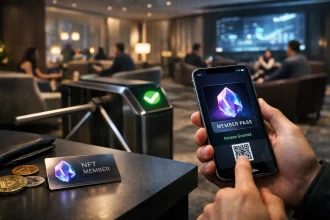
NFT interoperability is becoming one of the most important topics in the crypto space because it addresses a simple but powerful idea: your digital assets should move with you. As non fungible tokens expand beyond profile pictures into gaming items, music rights, event access, loyalty programs, and real world asset representations, users want the freedom to use the same NFT across different apps, marketplaces, and blockchains. For readers of crypto621, understanding NFT interoperability is key to spotting the next wave of utility driven projects and infrastructure.
- What NFT Interoperability Means in Practice
- Why NFT Interoperability Matters for Users and Builders
- How Cross Chain NFT Interoperability Works
- Standards and Metadata: The Backbone of Interoperable NFTs
- Benefits of NFT Interoperability in Gaming, Metaverse, and DeFi
- Key Challenges Holding NFT Interoperability Back
- What to Look for in Interoperable NFT Projects
- The Future of NFT Interoperability
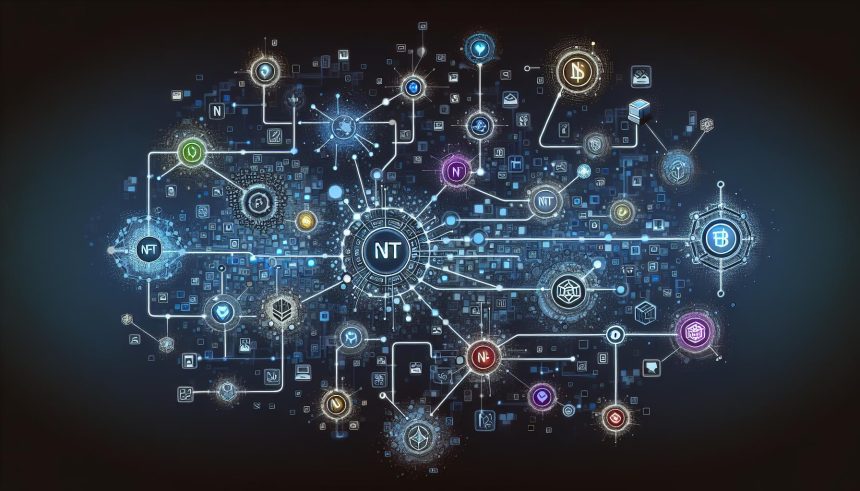
At its core, NFT interoperability means an NFT can be recognized, transferred, displayed, and used across multiple systems without losing its identity or value. This includes compatibility between wallets, marketplaces, metaverse platforms, and even separate blockchain networks. When interoperability works well, ownership becomes more portable, liquidity increases, and builders can create richer experiences without forcing users into a single ecosystem.
What NFT Interoperability Means in Practice
NFT interoperability is more than the ability to send a token from one wallet to another. It covers several layers of compatibility that shape how useful an NFT can be.
- Cross platform use: one NFT can unlock features in multiple games or virtual worlds.
- Marketplace portability: the same NFT can be listed and traded on different venues without custom integrations each time.
- Cross chain movement: an NFT can be moved between blockchains while preserving provenance and ownership history.
- Metadata consistency: the artwork and attributes remain available and verifiable wherever the NFT appears.
When these pieces align, NFTs shift from being isolated collectibles into modular digital property.
Why NFT Interoperability Matters for Users and Builders
The strongest case for NFT interoperability is user control. If an NFT only works inside one app, it behaves like a closed digital voucher. If it works across many venues, it becomes a persistent asset that can hold value beyond a single community.
For users, interoperability improves liquidity and confidence. You can trade where fees are lower, where buyers are more active, or where the interface fits your needs. You can also use the same asset in multiple experiences, which strengthens the usefulness of ownership.
For builders, interoperability lowers barriers to entry. Developers can build on existing standards and tap into established NFT communities. This can reduce user acquisition costs and encourage collaboration, such as shared avatar standards or game items that appear in partner worlds.
How Cross Chain NFT Interoperability Works
Cross chain NFT interoperability is often achieved through bridging or messaging systems that coordinate ownership across networks. The goal is to let the owner move or represent the NFT on another chain while keeping the concept of a single authentic asset.
Common approaches include lock and mint models, where the original NFT is locked on its home chain and a representative NFT is minted on the destination chain. Another approach is burn and mint, where the NFT is burned on one chain and minted on another under strict verification rules. Some emerging models aim for more native portability using cross chain messaging to update state across networks.
Each method requires careful design because security failures can lead to duplicated NFTs, broken provenance, or loss of funds. For this reason, trustworthy infrastructure and transparent verification are critical parts of any interoperability solution.
Standards and Metadata: The Backbone of Interoperable NFTs
NFT interoperability depends heavily on standards. Standardized token behavior helps wallets and marketplaces understand how to display and transfer assets. Metadata practices also matter because they define what the NFT represents, including traits, media links, and utility rules.
Projects that rely on fragile metadata links can suffer when hosting changes or files disappear. More robust approaches use decentralized storage or on chain metadata for important attributes. When metadata is consistent and accessible, the NFT remains recognizable across platforms, which supports long term value.
Interoperability also improves when creators follow common schemas for traits, names, media types, and access rights. This reduces the need for custom support and helps NFT collections integrate into new environments faster.
Benefits of NFT Interoperability in Gaming, Metaverse, and DeFi
The most exciting outcomes of NFT interoperability appear when NFTs act like building blocks across sectors.
- Gaming: a weapon skin or character can appear in multiple games through shared standards and licensing agreements.
- Metaverse identity: avatars and wearables can travel between worlds, supporting persistent online identity.
- DeFi utility: NFTs can be used as collateral, rented, or fractionalized more easily when marketplaces and protocols recognize the asset consistently.
- Creator monetization: artists can reach broader audiences by making listings and integrations simpler across ecosystems.
These benefits reinforce each other. Better portability improves liquidity, liquidity encourages financial tooling, and financial tooling attracts more builders.
Key Challenges Holding NFT Interoperability Back
NFT interoperability is promising, but several challenges still limit adoption.
Security remains the biggest concern, especially for cross chain bridges and complex smart contract integrations. A second issue is fragmentation. Different chains and platforms may implement standards in ways that are technically compatible but behaviorally inconsistent, which can lead to broken traits, missing media, or incorrect royalty handling.
Another challenge is intellectual property and licensing. Even if an NFT can technically move between platforms, the rights to render or use the underlying content may be restricted. Sustainable interoperability often requires clear licensing terms that define what owners and partner platforms can do.
Finally, user experience is still uneven. Bridging an NFT can involve multiple steps, fees, waiting periods, and unfamiliar interfaces. The next generation of interoperability will likely focus on making these actions feel seamless and safe.
What to Look for in Interoperable NFT Projects
If you are researching projects with NFT interoperability in mind, focus on practical signals rather than marketing claims.
- Clear standards usage and documentation for developers.
- Transparent security practices and audits for any bridging or messaging component.
- Reliable metadata strategy using decentralized storage or on chain elements.
- Real partnerships where the NFT has verified utility outside its original platform.
- Simple user workflows that reduce the risk of mistakes.
Interoperability is strongest when it is already demonstrated through working integrations and active users, not just promised on a roadmap.
The Future of NFT Interoperability
NFT interoperability is moving toward a world where digital ownership is portable by default. As standards mature and cross chain infrastructure becomes safer, NFTs can become universal keys to experiences, communities, and financial services. For crypto621 readers, tracking interoperability is a smart way to understand where the market is heading, because projects that unlock portability often unlock growth.
The long term vision is simple: you own an NFT once, and you can use it anywhere that respects the rules. As this becomes reality, NFTs can evolve from isolated collectibles into lasting, composable assets that power the next phase of crypto adoption.