Digital Art in Crypto The New Frontier for Creators and Collectors
What Digital Art Means in a Blockchain World
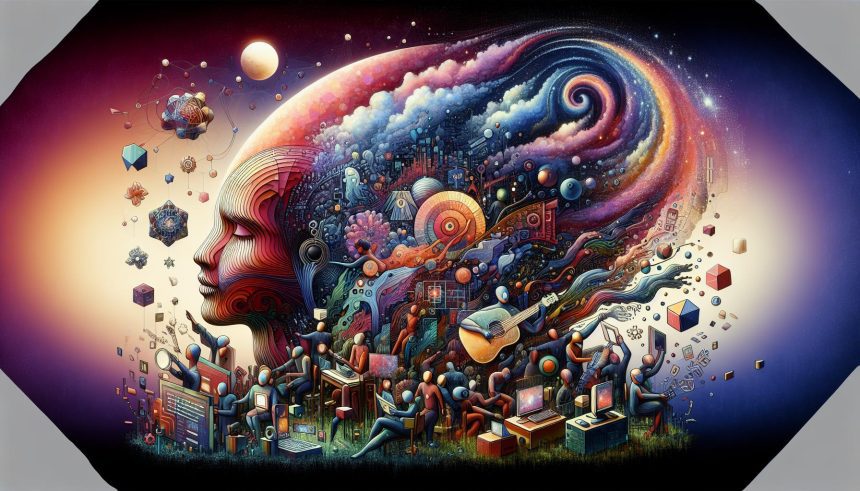
Digital Art is more than a file on a screen. It is a new creative economy powered by blockchain, where images, music, motion graphics, and interactive pieces can be verified, sold, and owned with transparency. On crypto621 we look at how tokens and smart contracts give artists a direct path to global audiences while helping collectors prove authenticity and origin. With verifiable scarcity and programmable royalties, Digital Art is reshaping how culture is made, valued, and exchanged.
- What Digital Art Means in a Blockchain World
- How Blockchain and NFTs Support Digital Art
- Why Digital Art Matters for Creators and Brands
- How to Start Collecting Digital Art on crypto621
- Pricing, Royalties, and Ownership Details
- Security Best Practices for Digital Art Collectors
- Creative Strategies for Artists Entering Digital Art
- Trends Shaping the Future of Digital Art
- How Digital Art Boosts Discoverability and SEO for Creators
- The Bottom Line
At its core, Digital Art thrives on three principles. First is provenance, which proves who created a work and who has owned it over time. Second is scarcity, which defines supply and edition size in an open ledger. Third is utility, which can unlock experiences, access to communities, or future drops that add value beyond the image itself. These pillars work together to create a market that feels both creative and credible.
How Blockchain and NFTs Support Digital Art
Blockchain acts like a public registry for Digital Art. Each artwork can be issued as a token that links to the media and its metadata. NFTs introduce a way to represent ownership and transfer it without a middle layer. The record is transparent and traceable, which builds trust between creators and collectors. Smart contracts automate important functions, such as royalty payouts to the original artist when a secondary sale occurs. This is a breakthrough for creative careers, since recurring revenue was rare in traditional art markets.
Digital Art also benefits from open standards. Artists can mint works across multiple marketplaces and wallets can display the art without custom integrations. Interoperability means you can showcase your collection in virtual galleries, social profiles, or gaming worlds while maintaining the same verified asset.
Why Digital Art Matters for Creators and Brands
Digital Art empowers creators with financial freedom, community building, and creative control. Artists can release limited series, experiment with dynamic media, and engage collectors through token based access. Brands use Digital Art to reach new audiences, launch loyalty programs, and collaborate with creators in ways that are authentic and measurable. Because ownership is on chain, engagement signals are durable and portable across platforms.
For culture at large, Digital Art introduces a new layer of digital property rights. It shifts the internet from an attention only model to an ownership model. This change rewards creative work and encourages direct relationships rather than algorithmic dependence.
How to Start Collecting Digital Art on crypto621
Getting started is easier than it seems. The key is to learn the basics, set a plan, and use trusted tools that protect your assets. Here is a simple path you can follow when you explore the Digital Art world through the lens of crypto621.
- Define your focus. Pick styles or themes you love, such as generative art, photography, illustration, or music visuals.
- Create a secure wallet. Use a reputable wallet, store your seed phrase offline, and enable two factor authentication where supported.
- Set a budget. Decide what you can afford and stick to it. Consider gas fees and potential royalties.
- Research the artist. Review their portfolio, social presence, roadmap, and community engagement.
- Verify the contract. Confirm the official collection address through the artist or trusted sources before buying.
- Start small. Begin with editions or accessible price points to learn how transfers and displays work.
- Engage the community. Join artist talks, Discord groups, and virtual gallery events to deepen your understanding.
Pricing, Royalties, and Ownership Details
Price discovery in Digital Art depends on creator reputation, edition size, market demand, and cultural momentum. One of the biggest advantages is programmable royalties. Smart contracts can route a percentage of every resale back to the artist. This aligns incentives for collectors and creators to grow the value of the work over time.
Ownership is simple to verify. The wallet holding the token is considered the owner. You can display the art, resell it, or hold it as a long term piece in your collection. Licensing terms vary by project. Some allow personal display only, while others grant commercial rights. Always read the collection terms so you know how you can use the art beyond display.
Security Best Practices for Digital Art Collectors
Security is vital because your assets are digital and self custodial. Treat your wallet like a vault and your transactions like signed contracts. These steps will help you protect your collection.
- Guard your seed phrase. Write it on paper and store it in a secure location. Never share it online.
- Use a hardware wallet for higher value pieces. This keeps private keys offline.
- Check links and contracts. Type addresses yourself or use verified bookmarks. Avoid suspicious pop ups.
- Review permissions. Revoke token approvals you no longer need through trusted tools.
- Segment wallets. Keep a minting wallet for experiments and a vault wallet for long term holdings.
- Stay informed. Follow security alerts from trusted researchers and communities.
Creative Strategies for Artists Entering Digital Art
Artists who want to thrive in this space can combine strong storytelling with consistent release strategies. Collectors value clarity and craft, but they also respond to a memorable narrative and a clear plan for future engagement.
- Develop a cohesive body of work. Curate themes, palettes, and formats that build a recognizable style.
- Choose minting cadence. Combine limited editions with occasional one of one releases to balance access and scarcity.
- Offer collector rewards. Consider airdrops, access to private streams, or token gated prints.
- Document your process. Share sketches, behind the scenes notes, and creative decisions to build authenticity.
- Set transparent royalty rates and licensing. Make terms clear so collectors know what they receive.
- Build a community. Host spaces, collaborate with peers, and celebrate collector milestones.
Trends Shaping the Future of Digital Art
The Digital Art landscape is evolving quickly, with innovations that expand what art can do and how it can be experienced. Dynamic art that changes with time, data, or participation is gaining momentum. On chain generative projects use randomness and code to mint unique outputs at the moment of purchase. Phygital experiences combine tokens with physical prints, sculptures, or gallery events, giving collectors both digital and tactile value.
Interoperable identity and virtual worlds will also matter. As avatars and social profiles become extensions of personal taste, Digital Art will serve as cultural signaling and access. Expect more collaboration between musicians, filmmakers, and visual artists, with multi format drops that create immersive storytelling. Institutions are entering as well, bringing curatorial standards and educational programs that help new audiences understand the medium.
How Digital Art Boosts Discoverability and SEO for Creators
Digital Art can also improve discoverability. When creators publish detailed descriptions, alt text for hosted images, and clear metadata, search engines can better understand the work. On crypto621 we encourage artists to write collection summaries that include the theme, creation process, edition details, and utility. This helps collectors make informed decisions and improves visibility across search results.
- Use descriptive titles with relevant keywords like Digital Art, generative art, or edition names.
- Write concise summaries for each piece that explain concept and technique.
- Include creator bios with links to portfolios and social profiles listed in plain text.
- Publish roadmaps and FAQs so prospects find answers quickly.
- Organize collections with clear categories to capture niche searches.
The Bottom Line
Digital Art is a cultural and economic shift that rewards creativity, transparency, and community. With blockchain verification, programmable royalties, and global distribution, artists can build sustainable careers while collectors gain provable ownership and access to thriving communities. Whether you are minting your first piece or curating a gallery grade collection, the principles are the same. Learn the tools, value authenticity, protect your wallet, and support creators who move the medium forward. On crypto621 we will continue to guide you through the evolving world of Digital Art so you can participate with clarity and confidence.