Crypto Setup Guide for a Secure and Smooth Start
Your Crypto Setup is the foundation of your journey into digital assets. Whether you plan to trade, invest long term, or simply learn by doing, a careful Crypto Setup helps you protect funds, move confidently across networks, and avoid costly mistakes. This guide from crypto621 shows you how to plan, secure, and optimize your first configuration so you can start with clarity and control.
- What a Crypto Setup Means and Why It Matters
- Plan First Define Your Goals and Risk
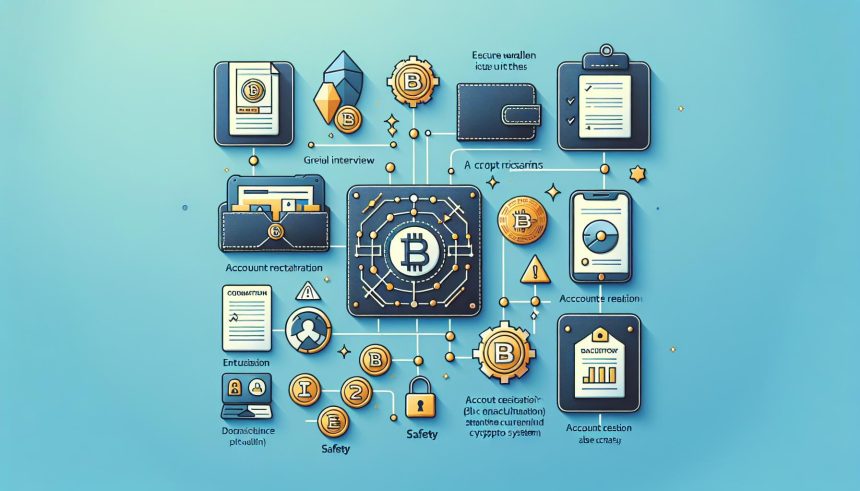
- Core Steps to Build a Secure Crypto Setup
- Custodial vs Noncustodial Wallets
- Seed Phrase and Backups
- Device Hygiene and App Safety
- Making Your First Purchase and Transfer
- Network Fees and Speed
- Protecting Accounts and Preventing Fraud
- Portfolio Tracking and Tax Readiness
- Common Mistakes to Avoid in Your Crypto Setup
- Advanced Tips for Power Users
- The Crypto621 Advantage and Next Steps
What a Crypto Setup Means and Why It Matters
A Crypto Setup is the combination of tools, accounts, wallets, and practices you rely on to buy, store, send, and track crypto. It includes your exchange access, wallet choices, security layers, network preferences, and record keeping. A strong setup balances usability and safety, reduces the chance of sending funds to the wrong place, and preserves privacy. For beginners, it sets habits that pay off for years. For experienced users, it brings structure and speed to daily operations.
Plan First Define Your Goals and Risk
Before opening accounts or moving funds, define your plan. Decide how much capital you will allocate, how often you will transact, and which networks you want to start with. Clarify your time horizon and risk tolerance. Create a simple checklist that includes security must haves, wallet choices, and a timeline for your first transactions. Writing these decisions down helps you stick to them when markets are volatile.
Core Steps to Build a Secure Crypto Setup
- Create unique passwords for every crypto service and store them in a reputable password manager
- Enable two factor authentication with an authenticator app rather than text messages
- Select a primary exchange with clear fees, strong security, and responsive support
- Verify your identity on the exchange to unlock deposits, withdrawals, and higher limits
- Choose your main wallet type custodial or noncustodial or both for different tasks
- Back up your seed phrase offline and test recovery before you move meaningful funds
- Fund accounts using small test amounts to confirm every step works as expected
- Document networks, addresses, and notes in a secure record so your process is repeatable
Custodial vs Noncustodial Wallets
Custodial wallets are offered by exchanges or apps that hold your keys for you. They are convenient for beginners and for fast trading, but you depend on the provider. Noncustodial wallets give you full control of your keys and funds, which increases responsibility along with security potential. Many users combine both, keeping trading balances on a reputable exchange while storing savings in a noncustodial wallet or hardware wallet for better protection.
Seed Phrase and Backups
Your seed phrase is the master key to a noncustodial wallet. Write it down by hand and store it in two separate safe places that only you can access. Do not take photos or store it in cloud storage. Consider using a metal backup for durability. After you record it, perform a recovery test on a spare device with a fresh wallet app to confirm the phrase works. Never share your seed phrase with anyone. Support teams will never ask for it.
Device Hygiene and App Safety
Keep your operating system and wallet apps updated. Only download wallets from official sources. Turn on screen lock and full disk encryption on your devices. Consider a dedicated device for crypto tasks to reduce exposure to everyday browsing risks. When installing browser extensions, verify the publisher, permissions, and website domain. Bookmark official sites to avoid lookalike pages and phishing traps.
Making Your First Purchase and Transfer
Start small to validate your process. Buy a modest amount on your exchange. Copy your wallet address carefully and double check the network selection matches your wallet network. When in doubt, send a micro transaction first and confirm it arrives. Use the address book in your wallet or exchange to save trusted addresses so you can avoid mistakes in the future. When scanning a QR code, verify the text of the address before you send.
Network Fees and Speed
Every network has its own fee market and settlement time. Choose networks that fit your goals. For frequent transfers, a low fee network can save money. For large value, consider mature networks with deep liquidity. Learn how to adjust fees in your wallet so you can balance speed and cost. Always leave a small amount of the native token in the wallet to pay for future fees.
Protecting Accounts and Preventing Fraud
- Use two factor authentication with an authenticator app for every exchange and wallet that supports it
- Set up withdrawal address lists where available so funds can only go to your chosen addresses
- Watch for phishing emails and fake support chats that try to rush you into sharing secrets
- Avoid public Wi Fi for sensitive actions and consider a virtual private network for extra privacy
- Turn on alerts for logins and withdrawals so you can react quickly to suspicious activity
Portfolio Tracking and Tax Readiness
From day one, keep simple records. Track purchase dates, cost basis, fees, and destination addresses. Use a portfolio tracker that connects to your main wallets and exchange. Export trade history files regularly and keep copies. Accurate data helps with rebalancing decisions and tax filings. If you hold many assets across multiple networks, label wallets by purpose such as savings, trading, and testing to keep a clean view of your holdings.
Common Mistakes to Avoid in Your Crypto Setup
- Sending assets on the wrong network because the token ticker exists on multiple chains
- Skipping a test transaction when sending to a new address
- Saving seed phrases in email or cloud notes where they can be found by attackers
- Using the same password across several crypto services
- Blindly clicking ads to download wallet apps instead of trusted links
- Forgetting to keep a small balance of native tokens for future fees
Advanced Tips for Power Users
Once your base Crypto Setup is smooth, consider extra layers. Add a hardware wallet for long term storage and confirm addresses on the device screen before sending. Explore multisignature wallets for shared control or treasury style setups. Segment your activity across wallets to improve privacy. Create a written playbook for emergency actions such as device loss, exchange downtime, or sudden market moves. Review your setup quarterly and remove unused apps or addresses to reduce attack surface.
The Crypto621 Advantage and Next Steps
At crypto621 we focus on clarity, security, and practicality. A great Crypto Setup is not about chasing the latest trend. It is about reliable tools, careful habits, and repeatable processes that work in any market. Start with a plan, secure your seed, test small, and document everything. As your confidence grows, scale your activity with discipline. Bookmark crypto621 for updated guides, network insights, and step by step tutorials that help you refine your setup over time.
Your journey starts with the first choice to set things up the right way. Build a Crypto Setup that fits your goals today and can evolve tomorrow, and you will be ready for every new opportunity the crypto space creates.