
Crypto Fundamentals A Practical Guide for New and Seasoned Enthusiasts
What Crypto Fundamentals Really Mean
Crypto Fundamentals are the core ideas and mechanics that explain how digital assets are created, secured, exchanged, and valued. When you understand these basics you can make smarter decisions and filter out hype. Whether you are a curious beginner or an active investor, mastering Crypto Fundamentals helps you evaluate projects, manage risk, and recognize real utility beyond short term speculation. This guide from crypto621 explains the essential building blocks that bring reliability and clarity to the fast moving world of digital assets.
- What Crypto Fundamentals Really Mean
- How Blockchain Creates Trust Without Middlemen
- Keys Wallets and Transactions Explained
- Consensus Models Proof of Work and Proof of Stake
- Coins Tokens and Stablecoins
- Fees Scalability and Throughput
- Security Best Practices to Protect Your Assets
- Market Basics Volatility Cycles and Strategy
- How to Evaluate Projects With Crypto Fundamentals
- Steps to Start Learning and Investing Wisely
- The Future of Crypto and Why Fundamentals Matter
How Blockchain Creates Trust Without Middlemen
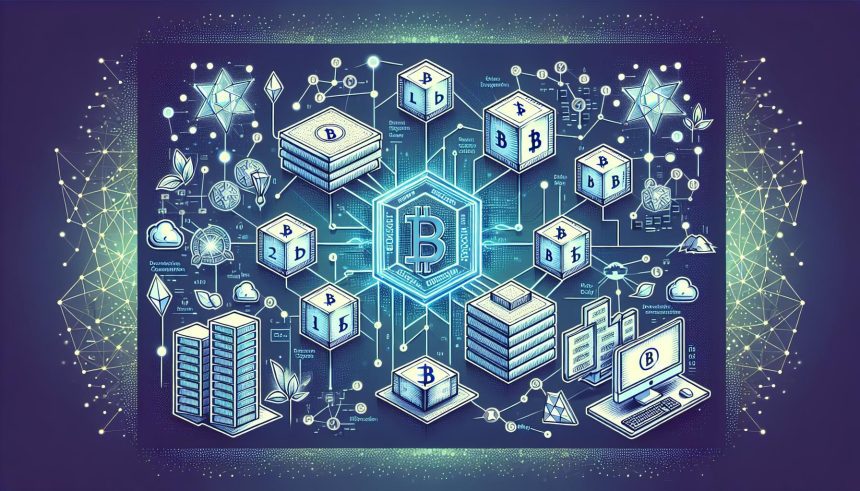
At the center of Crypto Fundamentals sits the blockchain. A blockchain is a shared ledger maintained by many independent computers. Every new block of transactions is linked to the previous one using cryptography, creating a chain that is extremely hard to alter. Because this ledger is public and verifiable, any participant can check balances and transfers without trusting a single company. This design reduces fraud, allows peer to peer value exchange, and opens the door for permissionless innovation. The transparency of the ledger also means that activity can be audited in real time, which is a powerful check against manipulation.
Keys Wallets and Transactions Explained
Crypto ownership is based on keys. A public key is like an address other people can see and use to send funds. A private key is secret and proves you own the funds. If someone gets your private key they control your assets. A wallet is software or hardware that stores and manages these keys, signs transactions, and displays balances. Transactions move value from one address to another and are confirmed by the network. Once confirmed, a transaction becomes part of the ledger history and cannot be reversed easily. The most important rule is simple never share your private key or recovery phrase with anyone.
Consensus Models Proof of Work and Proof of Stake
Consensus is the method a blockchain uses to agree on the state of the ledger. Two widely used models are Proof of Work and Proof of Stake. In Proof of Work miners compete by performing computations to propose blocks and secure the network. In Proof of Stake validators lock up native tokens as collateral and are chosen to propose and attest to blocks according to their stake and network rules. Both models aim to resist attacks and maintain accuracy, but they differ in energy usage, capital requirements, and design tradeoffs. Understanding how a network reaches consensus is a key part of Crypto Fundamentals because it informs security assumptions and potential returns for participants.
Coins Tokens and Stablecoins
Coins are native assets of a blockchain and usually pay for network fees. Bitcoin and Ether are well known examples. Tokens are issued on top of a blockchain through smart contracts. They can represent utility, governance rights, or claims on revenue. Stablecoins are tokens designed to keep a steady price, often pegged to a fiat currency. They provide a bridge between traditional finance and crypto by offering a familiar unit of account with faster settlement and broad on chain use. When you assess a coin or token, check its purpose, supply schedule, distribution, and real adoption.
Fees Scalability and Throughput
Fees are the cost users pay to include a transaction in a block. When demand rises, fees can increase. Scalability refers to how well a network handles more users and transactions without sacrificing security. Many ecosystems improve throughput with layers that process transactions off the main chain and then anchor results back to it. Some optimize by compressing data or by sharding state. The practical takeaway is that fees and speed vary across networks and applications, so smart users plan transactions during lower demand windows and choose networks that match their needs.
Security Best Practices to Protect Your Assets
Security is a pillar of Crypto Fundamentals. Human mistakes cause many losses, so clear habits matter more than complex tools. Follow these practices to protect your funds and identity.
- Use hardware wallets or reputable mobile wallets that let you control your keys.
- Back up your recovery phrase offline, store it in at least two secure locations, and never take a photo of it.
- Enable strong authentication on exchanges and apps, and keep separate email addresses for finance.
- Verify addresses carefully, especially when copying and pasting. Consider small test transfers first.
- Beware of fake support accounts, airdrop bait, and messaging links that ask for your keys.
- Keep software and firmware updated and download only from official sources.
- Treat yield and rewards with caution. If returns seem unreal, risk is likely higher than it appears.
Market Basics Volatility Cycles and Strategy
Crypto markets are open all day and can move quickly. Prices respond to liquidity, regulation, technology progress, and macro trends. Volatility can be painful but it also creates opportunity for disciplined investors. A grounded approach includes clear goals, position sizing, and an exit plan. Long term value tends to follow real utility, user growth, and sustainable token economics. When you evaluate a project, separate narrative from evidence. Check whether the network has active users, developer activity, and a revenue model that does not rely only on token issuance.
How to Evaluate Projects With Crypto Fundamentals
Use a simple checklist to review any asset or application from a fundamentals angle. The goal is not to predict short term price moves but to judge resilience and long run potential.
- Problem and solution identify the pain point and how the project solves it better than alternatives.
- Technology assess code quality, audits, uptime, and clarity of the roadmap.
- Token design study supply, emissions, utility, and incentives for users and builders.
- Traction review active addresses, transaction counts, total value secured, and partner ecosystem.
- Team and governance look for transparent leadership, open communication, and responsive governance.
- Regulatory posture consider jurisdiction, compliance steps, and risks to service continuity.
Steps to Start Learning and Investing Wisely
Getting started with crypto is easier when you follow a thoughtful sequence. Begin with small amounts and focus on process before profit.
- Learn the basics read guides on wallets, keys, and network fees until you can explain them simply.
- Choose a wallet pick one that lets you control your keys and practice with small transfers.
- Fund and explore buy a small amount of a major asset, then test sending and receiving.
- Track and reflect keep a simple journal of actions, reasons, and lessons learned.
- Diversify slowly add exposure to different networks or applications only after you understand their risks.
- Automate good habits set recurring buys if it fits your plan and review allocations quarterly.
The Future of Crypto and Why Fundamentals Matter
Crypto keeps evolving across payments, savings, gaming, identity, and capital markets. New designs aim to improve privacy, scalability, and user experience while preserving open access. Through all the change, Crypto Fundamentals remain your compass. If you know how a ledger works, how keys secure value, how consensus protects data, and how token incentives steer behavior, you can evaluate any new trend with clarity. At crypto621 we believe that literacy in these fundamentals is the most durable edge you can build. Keep learning, stay skeptical, and let strong principles guide your choices in this exciting and global technology movement.