
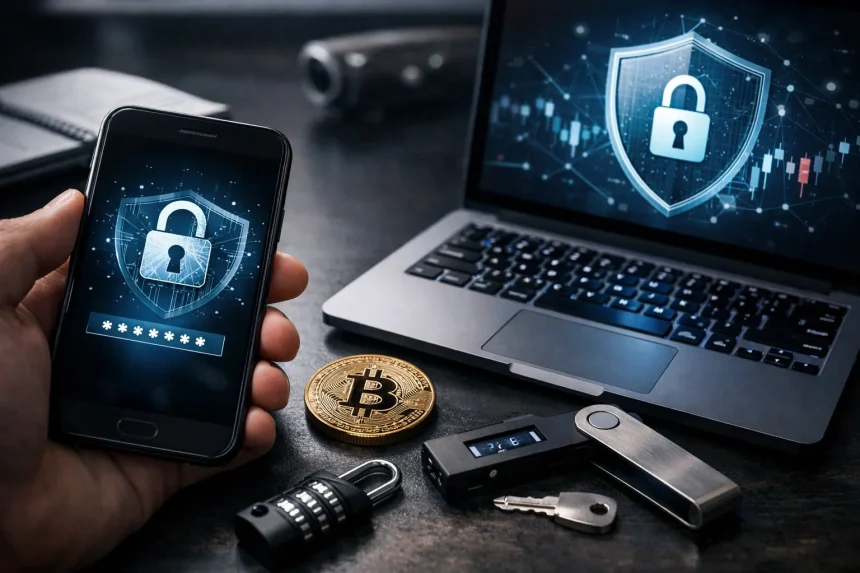
Crypto Account Security A Complete Guide to Protect Your Digital Assets
Crypto account security is one of the most important topics for anyone who buys, trades, or stores digital assets. Unlike traditional banking, cryptocurrency transactions are typically irreversible, and attackers often focus on stealing login credentials, private keys, and recovery phrases. For users of crypto621 and anyone in the crypto ecosystem, improving crypto account security is not just a best practice, it is a necessary strategy for protecting funds, identity, and long term financial goals.
- Why Crypto Account Security Matters More Than Ever
- The Most Common Threats to Crypto Accounts
- Create a Strong Foundation With Passwords and Password Managers
- Use Two Factor Authentication the Right Way
- Secure Your Email and Recovery Options
- Device Security and Safe Browsing for Crypto Users
- Wallet Strategy Hot Wallets and Cold Storage
- Ongoing Monitoring and Security Habits
- Conclusion Build a Strong Crypto Account Security Plan
This guide explains how crypto account security works, where the most common risks come from, and how you can apply practical security steps that significantly reduce the chance of account takeover or asset loss.
Why Crypto Account Security Matters More Than Ever
Crypto has grown into a mainstream financial technology, and so has cybercrime. Attackers use phishing, social engineering, SIM swapping, malware, and fake apps to trick users into handing over access. In many cases, the weakest point is not the blockchain itself, but the user account connected to an exchange, wallet, email address, or cloud backup.
Strong crypto account security protects more than a trading balance. It also safeguards personal data, transaction history, and the ability to recover accounts if something goes wrong. The goal is to prevent unauthorized access and to minimize damage if one part of your setup becomes compromised.
The Most Common Threats to Crypto Accounts
Understanding the threat landscape is the first step toward better crypto account security. These are the most frequent attack methods seen across the industry.
- Phishing links and fake login pages that steal usernames, passwords, and two factor codes
- Malware that records keystrokes, replaces wallet addresses, or steals browser stored sessions
- SIM swapping that allows an attacker to intercept SMS based verification codes
- Credential stuffing using leaked passwords from unrelated websites
- Fake support messages on social platforms that pressure users into sharing recovery phrases
- Compromised email accounts used to reset exchange or wallet access
Many of these attacks succeed because of rushed decisions, poor password hygiene, or reliance on weak recovery methods. Effective crypto account security focuses on preventing these failure points.
Create a Strong Foundation With Passwords and Password Managers
A strong password is a core layer of crypto account security, but only if it is unique and difficult to guess. Reusing passwords across platforms is one of the easiest ways to lose a crypto account after a data breach elsewhere.
- Use a long and unique password for every exchange, wallet account, and email address
- Avoid personal details, common phrases, or predictable patterns
- Use a reputable password manager to generate and store complex passwords
- Protect the password manager with a strong master password and secure device access
Password managers also help you avoid typing passwords on suspicious sites because they typically only autofill on the correct domain. That supports crypto account security by reducing phishing success rates.
Use Two Factor Authentication the Right Way
Two factor authentication is essential for crypto account security, but the method matters. SMS based codes can be intercepted through SIM swapping or mobile carrier attacks. A better approach is to use an authenticator app or hardware based authentication.
- Prefer authenticator apps for time based one time codes
- Consider hardware security keys for high value accounts
- Store backup codes securely in offline form
- Enable two factor authentication on your email account first, since email is the reset path for many services
When you strengthen two factor authentication, you reduce the risk that stolen passwords alone can unlock your crypto accounts.
Secure Your Email and Recovery Options
Email is often the control center of online identity. If an attacker gains access to your email, they can reset passwords, approve withdrawals, and intercept alerts. For crypto account security, securing email is just as important as securing the exchange login.
- Use a dedicated email address only for crypto accounts
- Enable strong two factor authentication on that email address
- Review account recovery settings and remove weak recovery options where possible
- Monitor inbox rules and forwarding settings for signs of tampering
Recovery phrases and private keys should never be stored in email drafts, cloud notes, or screenshots. If a recovery phrase is exposed, the attacker does not need your password at all.
Device Security and Safe Browsing for Crypto Users
Crypto account security depends heavily on the device you use. A compromised phone or computer can undermine even strong authentication by stealing session cookies or manipulating addresses during withdrawals.
- Keep your operating system and apps updated
- Use reputable antivirus or anti malware tools when appropriate
- Avoid installing unknown browser extensions and remove ones you do not need
- Lock your device with a strong passcode or biometric protection
- Do not use public WiFi for trading or wallet access without a trusted secure setup
Also verify website addresses carefully before logging in. Many phishing sites use look alike domains that appear legitimate at a glance.
Wallet Strategy Hot Wallets and Cold Storage
One of the best crypto account security practices is reducing exposure. Exchanges and hot wallets are convenient, but they are connected to the internet and therefore have higher attack risk. Cold storage keeps private keys offline and can significantly reduce theft risk.
- Keep only active trading funds in exchange accounts
- Move long term holdings to cold storage solutions when suitable
- Double check withdrawal addresses and use address whitelisting if available
- Test small withdrawals before sending large transfers
A layered approach to crypto account security means even if one account is compromised, the attacker cannot access everything.
Ongoing Monitoring and Security Habits
Crypto account security is not a one time setup. It requires ongoing attention and good habits. Regularly reviewing account activity can help you detect problems early.
- Enable login alerts and withdrawal notifications
- Review recent login history and active sessions
- Rotate passwords if you suspect a breach or after major incidents
- Check permissions for connected apps and remove unnecessary access
Be cautious of urgent messages that pressure you to act quickly. Social engineering relies on urgency and fear. Taking a moment to verify sources can prevent major losses.
Conclusion Build a Strong Crypto Account Security Plan
Crypto account security is the foundation of safe participation in digital assets. By combining strong unique passwords, secure two factor authentication, protected email accounts, clean devices, and smart wallet strategies, you can dramatically reduce the likelihood of losing funds to cybercrime.
For readers of crypto621, the best step is to treat security as part of your crypto routine. Build a layered defense, stay alert to common scams, and prioritize offline protection for long term holdings. The more intentional you are with crypto account security, the more confidently you can navigate the crypto world.