
NFT Membership Models Explained for Sustainable Web3 Communities
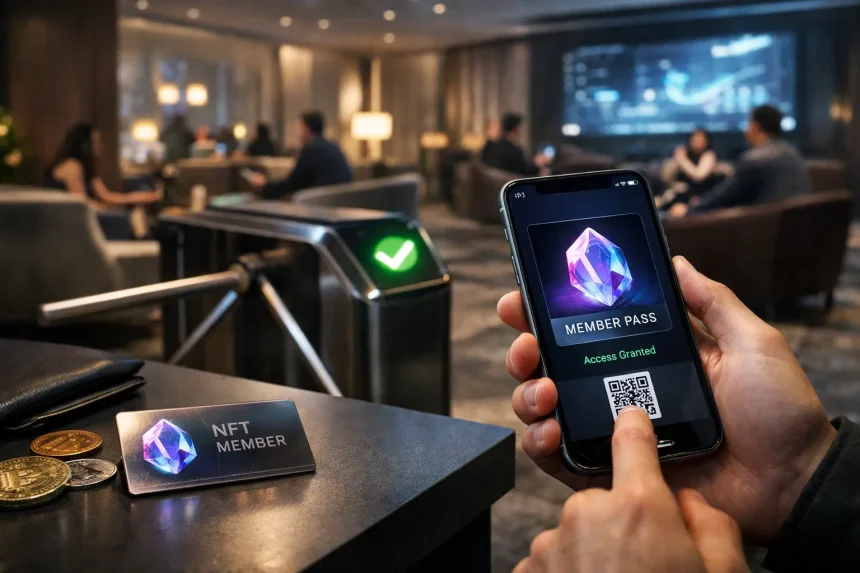
NFT Membership Models are becoming one of the most practical ways for Web3 projects to build loyal communities and create predictable revenue without relying solely on token speculation. For crypto621 readers, the key idea is simple: an NFT can function as a digital membership pass that unlocks access, benefits, and status inside a community, brand, or platform. Instead of only collecting art, holders gain ongoing utility that can evolve over time.
- What NFT Membership Models mean in practice
- Core benefits of NFT based memberships
- Popular NFT Membership Models you should know
- Lifetime access membership
- Subscription styled membership using NFTs
- Tiered membership access
- Dynamic membership with evolving perks
- Access plus revenue share membership
- Key components of a sustainable membership design
- Common mistakes projects make with NFT memberships
- How to evaluate NFT Membership Models as a buyer
- The future of NFT Membership Models
This approach merges the scarcity and ownership of NFTs with the recurring value of memberships. As more creators, DAOs, and businesses explore token gated experiences, it is important to understand the most common NFT Membership Models, how they generate value, and which structures tend to be sustainable in the long run.
What NFT Membership Models mean in practice
An NFT membership is a token that proves you belong to a group or have paid for a certain tier of access. The membership is typically verified on chain, which means applications can check your wallet and grant permission to content, events, or tools. Unlike traditional memberships that are tied to an email account, NFT memberships can be transferred, sold, or even delegated depending on how the project is designed.
NFT Membership Models describe the rules behind that access. These rules include pricing, duration, tiers, perks, renewal or upgrade paths, and what happens when a member sells their NFT. A strong model makes membership benefits clear, protects long term community health, and aligns incentives between founders and holders.
Core benefits of NFT based memberships
Projects use NFT Membership Models because they can deliver advantages that are harder to achieve with standard subscriptions. These advantages can support both community growth and business stability.
- Ownership and transferability that lets members exit without cancelation friction
- Token gated access to content, communities, live events, and product features
- On chain verification that reduces fraud and simplifies permission management
- Composability where other platforms can recognize the same membership NFT
- Community identity through collectible design, traits, and progression systems
These benefits only matter if the project delivers real utility. Sustainable NFT memberships are built around consistent value delivery, not just initial mint hype.
Popular NFT Membership Models you should know
Not every community needs the same structure. Below are some widely used NFT Membership Models that crypto621 readers will encounter across Web3.
Lifetime access membership
Lifetime memberships are simple: mint or buy once and keep benefits as long as the project exists. This model can work well for early communities because it rewards early supporters and reduces renewal complexity. However, founders must plan for ongoing costs because revenue is front loaded. Many teams pair lifetime passes with limited supply to manage long term obligations.
Subscription styled membership using NFTs
Some projects mimic monthly or annual subscriptions while keeping on chain ownership. The NFT can represent active membership, and the member must renew to keep perks. Renewal can be implemented through a new NFT mint, an NFT update, or a proof of payment. This model aligns revenue with ongoing service delivery, which often improves sustainability.
Tiered membership access
Tiered models offer multiple levels, such as basic, premium, and partner tiers. Higher tiers unlock more exclusive benefits, earlier access, or stronger governance influence. Tiering helps capture different budgets while keeping the community inclusive. The important part is to make the value difference between tiers clear and fair.
Dynamic membership with evolving perks
Dynamic NFTs can change metadata based on activity or milestones. A membership might upgrade after attending events, contributing to a DAO, or holding for a certain period. This model encourages engagement and reduces the problem of passive holders who never participate. It also creates a feeling of progression that can strengthen identity and retention.
Access plus revenue share membership
Some NFT Membership Models include the possibility of profit participation or rewards linked to platform performance. This can be attractive, but it also introduces legal and compliance complexity. Projects using this model should be careful about claims, jurisdiction issues, and how benefits are described. From a community perspective, it is often better to emphasize utility first and treat any rewards as secondary.
Key components of a sustainable membership design
Strong NFT Membership Models share several design principles. If you are evaluating a project or planning one, these components can help you avoid common pitfalls.
- Clear utility that members can use regularly
- Realistic supply that matches the ability to deliver benefits
- Transparent roadmap with near term and long term value milestones
- Strong community onboarding so new members quickly see value
- Exit and transfer rules that reduce speculation driven churn
When the model is vague, communities often become overly focused on floor price. When the model is clear, people talk about experiences, access, and shared goals.
Common mistakes projects make with NFT memberships
NFT Membership Models fail most often due to overpromising and underdelivering. If benefits require constant effort, the team must be staffed to support them. Another mistake is creating too many tiers that confuse buyers and fragment the community. Some projects also neglect the secondary market dynamics, where a falling price can damage perception even if the product is improving.
Finally, poor communication harms membership value. Members want consistent updates, simple instructions for claiming perks, and a predictable schedule for events and releases.
How to evaluate NFT Membership Models as a buyer
If you are considering joining a membership based NFT community, focus on practical value rather than hype. Ask whether you would still want the membership if resale value went to zero. Review how often perks are delivered, what access is truly exclusive, and whether the team has a track record.
- Check what is unlocked today, not only future promises
- Look for evidence of active community and responsive leadership
- Understand costs beyond the NFT price, including fees and renewals
- Evaluate if the membership is transferable and what happens after sale
The future of NFT Membership Models
NFT Membership Models are moving toward better user experience and more real world integration. As wallets become easier to use and token gated tools mature, memberships can connect seamlessly with online courses, gaming guilds, creator communities, event tickets, and brand loyalty programs. The most successful projects will treat the NFT as a membership credential, while the real product is the ongoing value members receive.
For crypto621, this topic matters because it shows a practical direction for NFTs beyond collectibles. When designed well, NFT memberships can create durable communities, stable business models, and better alignment between creators and supporters. As the space evolves, understanding these models will help you spot quality projects and avoid ones built only on short term excitement.