
NFT Utility Development for Real World Value in Web3
NFT Utility Development is shifting the conversation from simple digital collectibles toward assets that deliver ongoing value. On crypto621 we focus on practical crypto education, and utility is the key concept that separates short term hype from long term adoption. When an NFT provides access, rewards, identity benefits, or participation rights, it can become a living product rather than a static token. This evolution helps creators build sustainable communities, helps brands increase loyalty, and helps users feel confident that ownership offers more than a picture.
- What NFT Utility Development Means in Modern Crypto
- Top Utility Models That Drive Demand
- How to Plan NFT Utility Development the Right Way
- Key Technical Components Behind Utility
- SEO Friendly Utility Narratives That Build Trust
- Common Mistakes to Avoid
- Future Trends in NFT Utility Development
- Final Thoughts for Builders and Investors
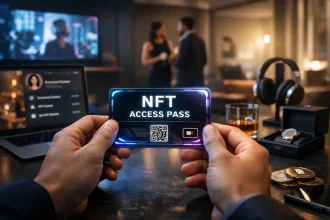
At its core, NFT Utility Development means designing, building, and maintaining features that owners can actually use. Utility can be delivered through token gated experiences, membership privileges, redeemable items, onchain achievements, gaming enhancements, event access, intellectual property rights, or revenue sharing structures where legally permitted. The strongest projects treat utility as an ongoing roadmap, with measurable benefits that increase retention and keep a community engaged beyond the mint.
What NFT Utility Development Means in Modern Crypto
NFT Utility Development is the process of creating functional benefits tied to a nonfungible token. These benefits can be onchain, such as staking and upgrades, or offchain, such as access to a private platform or real world event entry validated through wallet ownership. The goal is to make the NFT a key that unlocks value over time.
Successful utility needs clarity. Owners should know what they receive, when they receive it, and how they claim it. Clear user flows reduce confusion, support secondary market demand, and strengthen trust. Utility is also not a single feature. It is often a stack of benefits that can grow, such as tiered membership, seasonal rewards, or progressive access based on participation.
Top Utility Models That Drive Demand
There is no one perfect model, but there are proven patterns that work across most Web3 communities. Choosing the right model depends on your audience, budget, legal constraints, and product timeline.
Token gated access to content, courses, premium research, or community spaces
Event entry for meetups, conferences, concerts, or brand activations validated by wallet checks
Loyalty rewards such as points, discounts, early product drops, or partner perks
Gaming utility like character skins, power ups, crafting rights, or access to new levels
Digital identity benefits including reputation badges, achievements, or verified roles
Physical redemptions such as merchandise or limited collectibles tied to an NFT claim system
Creator access including private sessions, voting on future releases, or behind the scenes updates
The most durable utilities are those that can be delivered repeatedly without relying on constant speculation. Subscription style access, recurring drops, and ongoing engagement mechanics tend to produce stronger long term performance.
How to Plan NFT Utility Development the Right Way
Planning starts with defining the user outcome. Ask what problem the NFT solves or what experience it unlocks. Then work backward into the technical and operational requirements. Many projects fail by promising complex benefits without a realistic delivery plan.
A practical approach includes a utility roadmap with phases. Phase one might focus on token gated community and early perks. Phase two might add staking, upgrades, or partner rewards. Phase three might expand into events, gaming integrations, or cross project collaborations. This phased approach allows momentum while preserving development quality.
You also need to consider pricing and supply. If the supply is large, the utility must scale. If the supply is small and premium, the utility should feel exclusive and high touch. Matching utility to supply is a key step in maintaining perceived value.
Key Technical Components Behind Utility
NFT Utility Development typically involves smart contracts, backend services, and user friendly interfaces. The NFT contract defines ownership and may include metadata, burn and mint mechanics, or upgrade paths. For more advanced utility, you may add separate contracts for staking or rewards distribution. Offchain systems often handle gated websites, ticket scanning, redemption tracking, and analytics.
Security is essential. Contracts should be audited or reviewed, wallet signature flows should be safe, and redemption systems should prevent double claims. A secure utility design protects both users and project reputation.
Smart contract design for minting, ownership, and optional upgrades
Token gated verification using wallet signatures
Staking or points systems with transparent rules
Claim and redemption logic to prevent abuse
Admin tooling for managing perks, events, and supporter tickets
SEO Friendly Utility Narratives That Build Trust
From a marketing perspective, utility needs a clear narrative. Users search for value. They want to know what the NFT does. For crypto621 readers, the most helpful communication uses direct language and simple benefit statements. Avoid vague promises and focus on deliverables.
When writing landing pages and collection descriptions, structure content with specific utility sections, dates, and claim steps. Adding frequently asked questions style paragraphs can also improve clarity and search visibility. The keyword NFT Utility Development should appear naturally in educational content, guides, and project updates, not forced into every sentence.
Common Mistakes to Avoid
Many projects undermine long term performance through avoidable errors. Overpromising is the biggest risk. Another issue is building utility that is too complicated for the average user. If claiming rewards requires too many steps, participation drops fast.
Utility promises without timelines or delivery capacity
Ignoring user experience with confusing claim flows
No budget for ongoing operations like support and partnerships
Weak security that exposes users to phishing or contract exploits
Utility that depends only on market price rather than real benefits
Future Trends in NFT Utility Development
The next wave of NFT Utility Development will likely focus on interoperability, where NFTs unlock benefits across multiple apps and ecosystems. Expect more emphasis on verifiable credentials, portable reputation, and real world integrations like ticketing and loyalty programs. AI powered personalization may also help tailor perks based on owner behavior while keeping privacy in mind.
Another direction is dynamic NFTs that evolve based on participation, such as upgrading artwork, unlocking new metadata, or reaching milestone tiers. This can increase engagement when designed with transparency and meaningful progression.
Final Thoughts for Builders and Investors
NFT Utility Development is no longer optional for serious projects. Utility creates reasons to hold, participate, and build community identity. For builders, the best strategy is to deliver one strong utility first, then expand with a clear roadmap. For collectors and investors, evaluating utility means looking at feasibility, clarity, security, and the team ability to deliver consistently.
On crypto621, we see the strongest NFT projects treating utility like a real product. When an NFT unlocks experiences that people actually want, it becomes more than a token. It becomes a gateway to value in Web3.