
Fractional NFTs Explained: How Shared Ownership Is Changing Digital Collectibles
Fractional NFTs are redefining how people buy, sell, and access high value digital assets. Instead of requiring a single buyer to purchase an entire nonfungible token, fractionalization allows an NFT to be split into smaller units that multiple holders can own. For collectors, traders, and creators, this can improve affordability, unlock liquidity, and create new ways to participate in premium collections. On crypto621, we explore what fractional NFTs are, how they work, their benefits, their risks, and what to look for before investing.
What Are Fractional NFTs
A fractional NFT is an NFT that has been divided into many smaller ownership units. Each unit typically takes the form of a fungible token that represents a proportional claim on the underlying NFT. If an NFT is locked inside a smart contract, the contract can issue a fixed supply of fractional tokens. Owning some of these tokens can represent partial economic exposure to the NFT value, and in some systems it can also influence decisions about selling or managing the underlying asset.
Fractional NFTs are often used for expensive digital art, rare collectibles, exclusive membership NFTs, and other items where the price might be out of reach for most buyers. By splitting ownership, more users can gain exposure to a single asset and potentially trade their fractions on secondary markets.
How Fractional NFTs Work
Fractionalization usually follows a straightforward onchain process. A smart contract holds the original NFT in escrow and issues fungible tokens that represent fractional ownership. These tokens can then be distributed, sold, or listed on exchanges, depending on the design of the project.
- An NFT is deposited into a smart contract vault.
- The vault mints a set number of fractional tokens tied to the NFT.
- Fractional tokens are sold to buyers through a sale or liquidity pool.
- Tokens can be traded among users, creating a market price for fractions.
- Some systems allow redemption when certain conditions are met, such as buying enough fractions or approving a sale.
Projects vary in how they handle governance, buyouts, and redemption. Some use voting among fractional holders to accept an offer for the underlying NFT. Others support a buyout mechanism where a buyer can propose a purchase price, and token holders can choose to sell or buy more tokens to retain exposure.
Key Benefits of Fractional NFTs
Fractional NFTs are popular because they can expand market access while improving trading dynamics. For many users, the main advantage is affordability. Instead of needing a large amount of capital to own a rare NFT, a user can purchase a smaller fraction and still participate in price movement.
- Lower entry cost for premium NFTs, making high value assets more accessible.
- Improved liquidity, since fractions can be traded more easily than a single expensive NFT.
- Price discovery, because fractional markets can provide continuous trading data.
- Portfolio flexibility, allowing users to diversify across multiple NFTs with smaller allocations.
- Community participation, since multiple holders can share interest in a single cultural asset.
For creators and communities, fractional NFTs can also open up new monetization models. A community might collectively own an important NFT tied to a brand, event access, or digital identity and coordinate how it is used.
Real World Use Cases for Fractional NFTs
Fractional NFTs are not limited to art. They are increasingly discussed across different segments of the crypto economy. One major use case is blue chip NFT collections where single items can be extremely expensive. Fractionalization can allow a broader user base to gain exposure without needing to purchase the full token.
- High value digital art that attracts collectors seeking partial exposure.
- Rare in game items where shared ownership can fund acquisition.
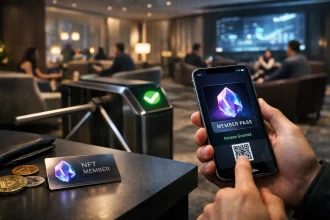
- Membership NFTs that can be split for economic access, though access rights may vary.
- Community treasuries that want to own culturally significant NFTs together.
- Index style strategies where fractional tokens represent positions in premium assets.
It is important to note that access rights do not always transfer through fractional ownership. Some perks tied to the NFT may only apply to the wallet holding the original NFT in the vault or to a designated controller.
Risks and Challenges You Should Know
Fractional NFTs also come with meaningful risks. The largest risk is complexity. Buyers may misunderstand what they actually own. In most implementations, fractional tokens represent economic exposure rather than direct control of the NFT. Another risk is smart contract security, since vault contracts and token contracts can be exploited if poorly designed.
- Smart contract vulnerabilities that could affect escrowed NFTs or token supply.
- Governance disputes among holders about offers, pricing, or redemption rules.
- Liquidity risk if the fractional market has low volume or wide spreads.
- Valuation uncertainty, since the price of fractions may diverge from full NFT value.
- Regulatory considerations, because some fractional structures can resemble securities.
Regulation is especially important to watch. Depending on jurisdiction and structure, fractional NFT tokens might be viewed as investment contracts. Users should research project disclosures and consider seeking legal guidance for larger positions.
How to Evaluate a Fractional NFT Project
Before buying fractional NFTs, it helps to review the project structure and the underlying NFT itself. Not all fractionalization mechanisms are equal. On crypto621, we recommend focusing on transparency, contract safety, and clear rules for buyouts and governance.
- Check whether the smart contracts are audited and whether the audit is recent.
- Understand the total supply of fractional tokens and whether it can change.
- Review how buyouts work and how holders can respond to an offer.
- Confirm where trading occurs and whether liquidity is strong enough for your needs.
- Research the underlying NFT, its provenance, and its market history.
Also consider whether the underlying NFT has intrinsic cultural value, community demand, or creator reputation that can support long term interest. Fractionalization can increase access, but it cannot create demand where none exists.
The Future of Fractional NFTs
Fractional NFTs are likely to evolve as the NFT market matures and as onchain infrastructure improves. Better standards, clearer governance frameworks, and safer contract patterns can make fractional ownership more practical. We may also see fractional NFTs integrated into broader DeFi ecosystems, enabling lending, collateralization, and automated market making around premium digital assets.
For many crypto users, fractional NFTs represent a bridge between collectible culture and financial innovation. They can help unlock participation in scarce digital assets while offering new trading and community models. As always, success depends on understanding the mechanism, assessing risk, and choosing reputable platforms and projects. For more guides and updates on NFT trends, stay connected with crypto621.