
NFT Market Trends Opportunities and Risks in 2025
What the NFT Market Is and Why It Matters
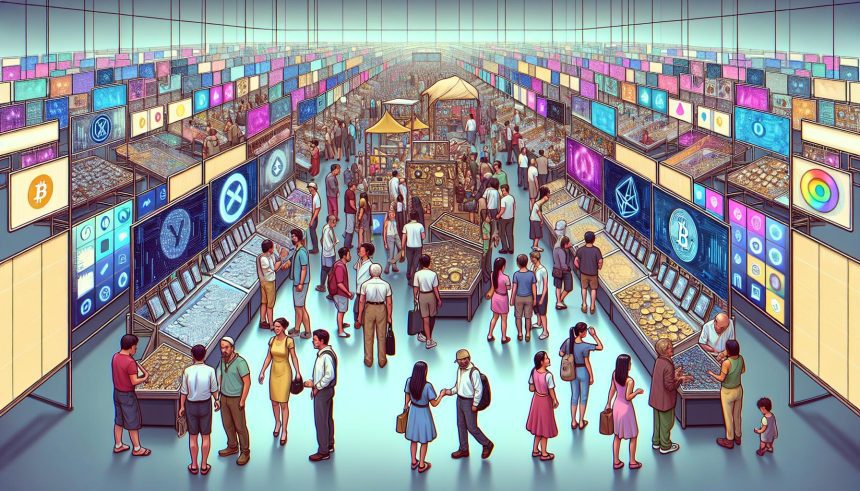
The NFT Market is the ecosystem where digital collectibles are created, bought, sold, and traded using blockchain technology. NFTs represent unique assets, from art and gaming items to music passes and membership credentials. What makes the NFT Market compelling is true digital ownership that can be verified on chain, plus programmable utility that can evolve over time. For crypto users and creators, the NFT Market offers new revenue streams, global distribution, and direct community relationships without gatekeepers.
- What the NFT Market Is and Why It Matters
- Current Trends Driving NFT Market Growth
- How to Evaluate NFT Collections
- Key Metrics to Track in the NFT Market
- Where to Buy and Sell in the NFT Market
- Risk Management for NFT Investors
- Strategies for Creators and Brands in the NFT Market
- Future Outlook for the NFT Market in 2025
After explosive growth and a cooling period, the NFT Market has matured with better infrastructure, more utility focused collections, and a broader set of use cases. Institutions are testing tokenized experiences, major brands are experimenting with loyalty through NFTs, and gaming studios are integrating digital assets that players truly own. As a result, market activity is increasingly driven by real engagement rather than pure speculation. For readers of crypto621, this shift is an opportunity to position ahead of the next adoption wave.
Current Trends Driving NFT Market Growth
- Gaming and digital identity. Avatars, game items, and interoperable profiles are fueling steady activity as players seek items with real utility and status across platforms.
- Membership and loyalty. NFTs that unlock benefits such as exclusive content, event access, and discounts are creating measurable retention for brands and creators.
- Creator economy tools. Minting platforms now provide analytics, royalty enforcement, and flexible sales formats that make launches smoother and more transparent.
- Real world connections. Tickets, certificates, and collectibles tied to physical experiences are bridging on chain and offline communities.
- Improved user experience. Faster transactions, cheaper fees, and wallet onboarding focused on mainstream users continue to remove friction.
- Cross chain liquidity. More bridges and marketplace support across Ethereum Solana and Polygon allow collections to reach larger audiences.
How to Evaluate NFT Collections
Success in the NFT Market starts with disciplined evaluation. Use a repeatable framework before you buy or mint.
- Utility and vision. Ask what problem the collection solves or what value it delivers beyond art. Access, governance, in game perks, or revenue share from legal sources can all matter.
- Team and track record. Research founders, advisors, and partners. Consistent updates, transparent communication, and proof of shipped products are positive signals.
- Community health. Look for active conversations, helpful moderators, and organic growth rather than fake engagement. Strong communities sustain floor prices in choppy markets.
- Art and brand strength. Visual identity, storytelling, and cultural fit influence long term demand. Memorable brands travel well across networks and partnerships.
- Supply and distribution. Consider total supply, release schedule, and concentration among whales. Fair distribution and gradual unlocks can reduce sell pressure.
- Technical quality. Review smart contract standards, metadata stability, and provenance. On chain data and audited contracts add credibility.
Key Metrics to Track in the NFT Market
- Trading volume. Rising volume across multiple marketplaces often signals broad interest rather than short lived pumps.
- Unique buyers and sellers. Growth in active participants suggests healthier demand than isolated large trades.
- Floor price and depth. A resilient floor supported by many listings near the same level indicates stable market structure.
- Listing rate. A high percentage of the collection listed can indicate sell pressure, while very low listings may point to diamond hands or illiquidity.
- Holder concentration. If a few wallets control a large share, price can be volatile. Diverse ownership reduces shock risk.
- Engagement metrics. Social mentions, community events, and collaboration announcements often lead price action.
- Wash trading flags. Unusual patterns like repeated back and forth sales at the same price may distort volume. Use analytics to filter suspicious activity.
Where to Buy and Sell in the NFT Market
The NFT Market spans several leading venues. OpenSea remains a broad marketplace with multi chain support. Blur focuses on pro traders with advanced tools and deep liquidity. Magic Eden has strong traction across several chains, especially for gaming and community driven drops. When transacting, use a reputable wallet, enable transaction previews, and verify the official collection contract before signing. For valuable items, consider a hardware wallet and a dedicated minting wallet to reduce risk.
Fees and royalties vary across platforms. Some marketplaces honor creator royalties by default, while others make them optional. If you want to support a collection long term, prioritize venues that respect creator revenue models or use tools that enforce royalties at the contract level.
Risk Management for NFT Investors
- Volatility. Prices can swing quickly due to sentiment, macro news, or liquidity shocks. Size positions accordingly and avoid overexposure to a single collection.
- Illiquidity. Many items take time to sell at fair value. Plan your exit strategy before you enter and use realistic price targets.
- Security. Beware of fake mints, phishing sites, and malicious signatures. Double check URLs and never sign blind approvals.
- Legal and IP issues. Confirm that artwork and commercial rights are clear. Ambiguous rights can undermine long term value.
- Utility promises. Roadmaps are not guarantees. Prefer collections that ship frequently and show proof of progress.
- Tax and compliance. Track cost basis, holding periods, and realized gains where applicable. Consult a qualified professional in your jurisdiction.
Strategies for Creators and Brands in the NFT Market
- Start with community. Build an audience before the mint through content, collaborations, and transparent communication.
- Design for utility. Offer benefits that persist beyond the initial drop such as ongoing access, upgrades, or seasonal content.
- Price with intention. Align mint price and supply with clear value and realistic demand. Consider staged releases to learn from feedback.
- Measure and iterate. Track retention, trading patterns, and feedback. Improve art, lore, and features based on data.
- Collaborate across chains. Meet users where they are and use bridges or companion tokens to expand reach without fragmenting identity.
- Protect your brand. Use verified contracts, clear licensing, and consistent visuals to reduce confusion and scams.
Future Outlook for the NFT Market in 2025
The outlook for the NFT Market in 2025 is cautiously optimistic. Broader crypto liquidity, better wallets, and mainstream partnerships are setting the stage for the next growth phase. Expect continued momentum in gaming, loyalty, and digital identity, along with early traction in education credentials and ticketing. Regulation may bring greater clarity on consumer protection and royalties, which could encourage more brands to participate. Winners will be collections that deliver sustained utility, nurture inclusive communities, and maintain technical excellence.
For readers of crypto621, the path forward is clear. Study the data, value teams that ship, and focus on collections with sticky use cases. Diversify across chains and sectors, protect your keys, and stay patient. The NFT Market rewards research, discipline, and long term thinking. With the right strategy, you can navigate volatility and capture the upside as digital ownership reaches a wider audience.